Understanding and Utilizing the Trans Fats Icon for Effective Design
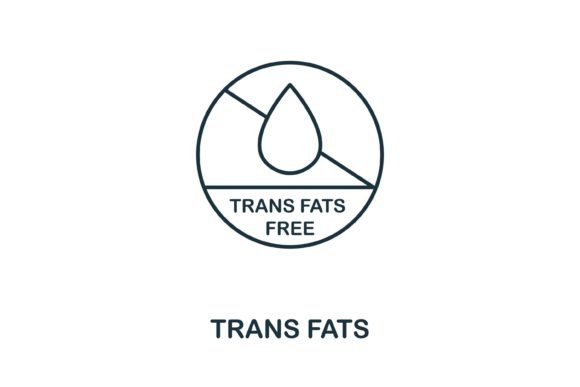
The Trans Fats Icon is a versatile and visually striking symbol that can be a valuable asset in web design, templates, and infographics. This icon, part of a diet collection, is designed to highlight the presence of trans fats in food, making it an essential tool for anyone involved in health-related content creation or dietary information dissemination.
Why Choose the Trans Fats Icon?
The Trans Fats Icon is not just a simple graphic; it's a powerful communication tool. Its black sign and clear, creative design make it easy to recognize and understand, which is crucial for conveying important health information. Whether you're a designer, marketer, or educator, this icon can help you effectively communicate the presence of trans fats in a way that resonates with your audience.
Common Mistakes When Using the Trans Fats Icon
While the Trans Fats Icon is a useful element, there are several common mistakes that can diminish its effectiveness:
- Overlooking File Formats: The icon comes in multiple file formats (EPS, JPG, AI, SVG), each suited for different uses. Choosing the wrong format can lead to poor quality or limited editability.
- Ignoring Contextual Relevance: Placing the icon in irrelevant contexts can confuse your audience. Ensure the icon is used in a way that aligns with the overall message and purpose of your content.
- Neglecting Accessibility: Not considering accessibility features like alt text can exclude a portion of your audience. Make sure the icon is accessible to all users, including those who rely on screen readers.
Avoiding Common Pitfalls
To get the most out of the Trans Fats Icon, follow these practical tips:
- Select the Right File Format: For high-quality prints, use EPS or AI. For web use, SVG is ideal as it scales without losing quality. JPG is suitable for quick, low-resolution needs.
- Align with Your Message: Use the icon in a context where it makes sense. For example, in a blog post about healthy eating or in a nutritional infographic. This ensures the icon adds value and clarity to your content.
- Enhance Accessibility: Add descriptive alt text to the icon. This not only helps visually impaired users but also improves SEO. For instance, "Black trans fats icon indicating unhealthy fats in food."
Realistic Examples and Better Approaches
Consider a scenario where you are designing a health and wellness website. You want to create a section that educates visitors about the dangers of trans fats. Here’s how you can use the Trans Fats Icon effectively:
- Infographic Integration: Incorporate the icon into an infographic that outlines the sources of trans fats and their health impacts. This visual representation can make the information more engaging and memorable.
- Educational Blog Post: Use the icon in a blog post to highlight key points about trans fats. Place the icon next to headings or bullet points to draw attention to important information.
- Interactive Tools: In a nutrition app, use the icon to mark foods that contain trans fats. This can help users quickly identify and avoid such foods, enhancing the app's usability and user satisfaction.
Final Checks Before Using the Trans Fats Icon
Before incorporating the Trans Fats Icon into your project, consider the following:
- File Compatibility: Ensure the file format you choose is compatible with your design software and the final output requirements.
- Consistency with Branding: Check that the icon fits with your brand's style and color scheme. If necessary, adjust the colors to match your branding guidelines.
- User Feedback: Test the icon with a small group of users to see if it effectively communicates the intended message. Gather feedback and make any necessary adjustments.
By being mindful of these considerations, you can ensure that the Trans Fats Icon enhances your content and effectively communicates the importance of avoiding trans fats in a diet. This thoughtful approach will not only improve the quality of your design but also contribute to better health awareness among your audience.